I say the truth in Christ, I lie not, my conscience also bearing me witness in the Holy Ghost, that I have great heaviness and continual sorrow in my heart. For I could wish that myself were accursed from Christ for my brethren, my kinsmen according to the flesh. (Romans 9:1-3)
Paul opens this chapter not with abstract speculation but with anguished love. He is willing—if it were possible—to be separated from Christ for the sake of his Jewish brethren. This is no cold theological treatise. It is a pastor's broken heart. And it is from this place of compassion that Paul unfolds the mystery of divine election.
The objection rises immediately: if Israel is God's chosen people, why have most of them rejected the Messiah? Paul's answer cuts to the root: They are not all Israel, which are of Israel. In other words, physical descent does not guarantee spiritual membership. God never promised salvation to every physical descendant of Abraham, but to the children of the promise. For the children being not yet born, neither having done any good or evil, that the purpose of God according to election might stand, not of works, but of him that calleth; it was said unto her, The elder shall serve the younger. (Romans 9:11-12)
Before Jacob and Esau had done anything—good or evil—God chose Jacob. This was not based on foreseen faith or merit. It was based on God's sovereign, free, and gracious purpose. Paul drives the point home: So then it is not of him that willeth, nor of him that runneth, but of God that sheweth mercy. Salvation is not a human achievement. It is a divine gift.
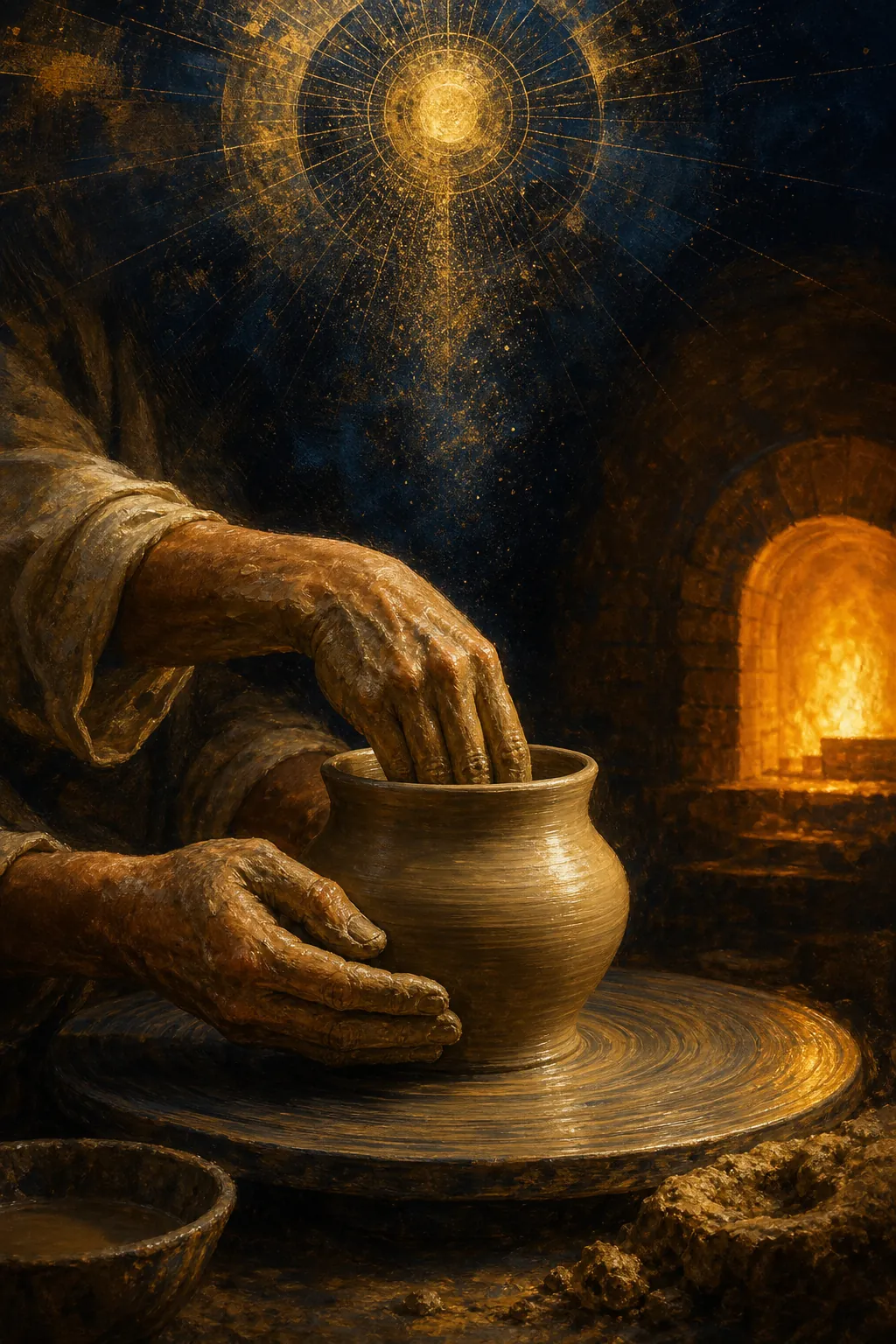
But what about Pharaoh? Paul anticipates the objection. God raised him up to demonstrate his power and to proclaim his name throughout the earth. Hath not the potter power over the clay, of the same lump to make one vessel unto honour, and another unto dishonour? The clay does not question the potter. Yet this is not fatalism or cruelty—it is the sovereign freedom of God, who has the right to do with his creation as he pleases.
Here is where the doctrine of election moves from theory to comfort. If your salvation depends on your choice, your will, your running, then it can be lost, undone, or reversed. But if it depends on God's electing love—his unchangeable purpose, his effectual call—then it is as secure as the throne of God himself. The electing God does not cast away those he has chosen.
Election is not a pedestal for pride. It is a foundation for humility and assurance. No one can boast in being chosen, for they did not choose themselves. As Paul writes elsewhere, For ye see your calling, brethren, how that not many wise men after the flesh, not many mighty, not many noble, are called. God chooses the foolish, the weak, the base—so that no flesh should glory in his presence. Election exists to magnify grace.
The Reformed tradition has always taught that election is in Christ. God does not choose abstract individuals; he chooses them in his Son. This means the only way to know you are elect is to trust in Christ. Faith is not the cause of election but the evidence of it. Rest in that truth. You did not save yourself, and you cannot unsave yourself. The God who chose you before the foundation of the world will keep you to the end.
Application Questions: 1. How does the doctrine of election humble you rather than inflate your pride? 2. If salvation depends on God's will and not your own, how does that change the way you view your assurance? 3. How can a Christian lovingly share the doctrine of election with someone who finds it offensive or unfair?