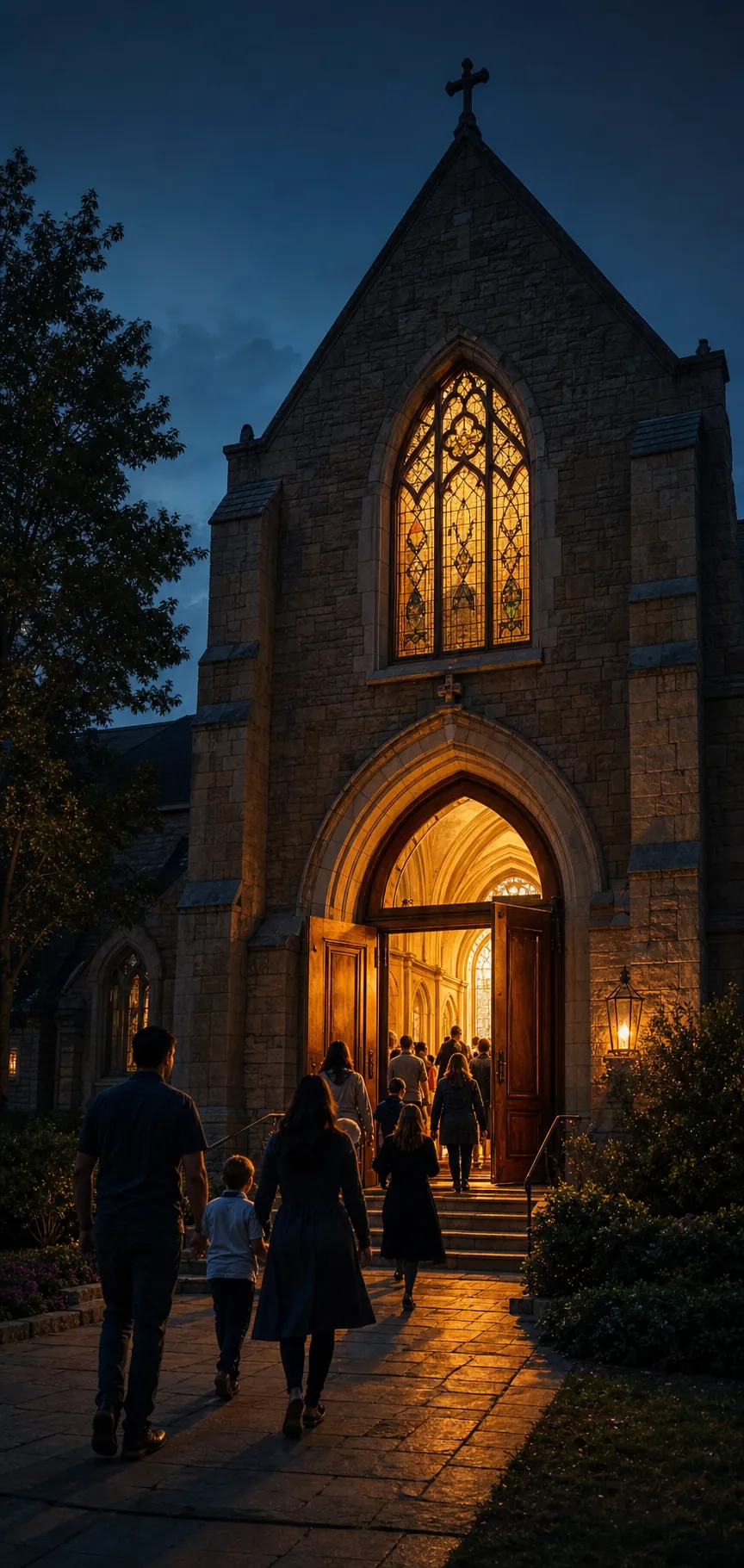
"Why We Need the Church"
In our modern era, we are often told that the ultimate goal of life is "authenticity"—a personal, unmediated connection with the Divine. In this cultural climate, faith has been increasingly individualized. We treat spirituality like a boutique experience, tailored to our preferences and consumed at our own convenience. However, for the follower of Christ, faith is not an individual hobby; it is a covenantal reality. To be a Christian is not merely to have a private opinion about God, but to belong to the "ekklesia"—the called-out assembly.
The Scriptures are clear that the local church is not an optional gathering for those seeking "extra" spiritual nourishment; it is the primary vehicle through which God sustains His people. Hebrews 10:25 warns us not to neglect meeting together, for "stirring one another up toward love and good works." This isn't a suggestion for social comfort; it is a command because we are members of one another. Similarly, in Acts 2:42, we see the early church devoted to the "apostles' doctrine, fellowship, breaking of bread, and prayer." These were not private acts performed in isolation but communal practices that forged a unified body.
This reality often meets resistance from those who prefer a solitary path. One common objection is: "I can worship God alone in nature." While it is true that the majesty of creation points to the glory of the Creator, we must distinguish between general and special revelation. Nature reveals God’s power; the Word of God, preached and proclaimed within the local church, reveals His will. We were never intended to interpret the "book of nature" alone. The church provides the biblical framework necessary to understand who God is and what He requires of us.
Another common concern is: "The church is full of hypocrites." This is a valid observation of human fallenness, but it misses the theological point. The church is not a museum for saints; it is a hospital for sinners. We are "simul justus et peccator"—simultaneously righteous and sinful. We need the local church precisely because we are prone to self-deception. We need a community that can call us to repentance, hold us accountable to our vows, and encourage us when our faith falters. The presence of "hypocrites" is not a reason to flee the body, but a reminder of why we need the grace of Christ mediated through the gathered saints.
Finally, many argue: "I find God online." While technology provides incredible access to information, it cannot provide the weight of presence. Information is not the same as formation. A digital screen can transmit a sermon, but it cannot offer the "ministry of presence"—the ability to sit with a grieving neighbor, to baptize a child, or to share a meal in physical fellowship. The online space offers convenience; the local church offers commitment.
The shift from being an "observer" of faith to a "member" of a church is essential for spiritual maturity. To find your home, look for a local body that holds firmly to the historic Reformed confessions, prioritizes the preaching of Scripture, and administers the sacraments faithfully. Commitment means moving beyond "attending" a service to "belonging" to a family. It means submitting your life to the oversight of elders and joining in the labor of ministry.
We do not join the church to become "better" people; we join it because Christ has already made us His own, and He has joined us together into one body. We need the local church because we are not designed to walk the path of discipleship alone. As R.C. Sproul aptly noted: "The church is not a club, it is not a social gathering, it is not a project... the church is the body of Christ." We find our true selves only when we find our place within that body.